Sign Up for Entrepreneur Camp!

Thursday, February 17, 2022

Register for Spring Nature Journaling Classes!


Its Springtime! New growth has sprung and the timing is right to immerse your student in nature. To discover, learn and play!


Join us for an 8 hour nature study and journaling lesson - spread out over the course of four 1.5-hour class days. Students will be immersed in a natural environment and led to explore, observe and reflect upon what they’ve discovered. See reverse for details/locations/dates/time.
Materials/light snack provided. Drop off or stay and explore with us!


Cost: $35/class day


Limited Spaces Available…Register Today!


Nature Study /Journal Practice- All Ages

(Register Here)


Students will be immersed in a natural environment where they will be encouraged to collect articles found in nature. They will  observe, identify, define and reflect upon their findings, ask questions, and create artwork in nature journals. This activity will be done in a variation of local outdoor spaces and settings — See schedule below.


LEARNING OBJECTIVES

Students will strengthen scientific observation skills by looking and listening closely.
Students will practice writing skills by describing their observations in the form of a journal entry.
Students will practice life drawing skills and express themselves through art.
Students will cultivate a sense of ownership of their space and stewardship of the natural world. See learning standards below.


CHOOSE A TRACK BASED ON DATE/LOCATION: 


Track One: Wednesdays March-2-23, 2022 10am-11:30 pm (Pasadena)

Track Two::Thursdays March-3-24, 2022 10am-11:30 pm (SFV)

Track Three: Fridays March 4-25 10am -11:30 pm (La Crescenta)

Track Four: April-18-21, 2022 10am-11:30 pm

Locations TBA upon registration. (Various Locations Within a 5 mile radius of Griffith Park/Cal Tech/First Strike Park).

Drop off Available (Parents are also welcome to stay).


Day 1- Tree Exploration

Day 2- Plant Life

Day 3- Insects

Day 4- Birds


COST

$35/class  Venmo @togetherweread


DURATION

5-10 minutes to introduce the activity
20-25 minutes for explore
20-25 minutes to journal
20-25 minutes to (snack/share)
5 minutes of Free play


MATERIALS PROVIDED

Paper, journal, or notebook
Drawing/writing utensils
Magnifying glass and/or Binoculars
Light Snack/Juice


NGSS TIE-INS (https://www.scoe.net/media/m54eyzne/parent_overview_science_3-5.pdf)

Science and Engineering:

Asking questions
Analyzing and interpreting data
Engaging in discussion from evidence
Obtaining, evaluating, & communicating information


Cross-cutting Concepts:

Patterns
Cause and effect
System and system models

VAPA TIE-INS (https://www.cde.ca.gov/be/st/ss/vapacontentstds.asp)

Aesthetic perception, creative expression, connections, relationships, applications

Learning Values and Principles- https://www.cde.ca.gov/pd/ca/sc/ngssstandards.asp


Register Here


About the Moderator:


Trish is an LA native, born and raised in Glendale. As a seasoned Real Estate Agent, she knows the ins and outs of the city and its citizens. As a busy mom, she recognizes the value of getting her kids off the screens and out in nature. As a skilled hiker and outdoors person herself, she has a deep connection with the city’s natural environment and has experienced the benefits of being rooted in nature. 

As a student of CAL State LA in the Masters of Science Program, Trish also has experience in the classroom acting as a room mom and on occasion a substitute teacher and tutor for students K-8.


“During this time of potential lockdowns and quarantines, it has never been more important to get your children outdoors whenever possible. So I created this lesson out of a love for seeing my children connect with their natural environment and expressing themselves through art. I hope that you will come on this learning journey with me to explore, discover and learn!”


Wednesday, February 16, 2022

Why Kids Need to Spend Time in Nature by Danielle Cohen


 Full Article 3 min read

In the early 1980s, a Harvard University biologist named Edward O. Wilson proposed a theory called biophilia: that humans are instinctively drawn towards their natural surroundings. Many 21st century parents, however, would question this theory, as they watch their kids express a clear preference for sitting on a couch in front of a screen over playing outside.

The national panic about kids spending too much time indoors has become so extreme that the crisis has a name: Nature deficit disorder.

While calling it a disorder might be merely rhetorical, it’s clear kids spend significantly more time inside than outside. This shift is largely due to technology: The average American child is said to spend 4 to 7 minutes a day in unstructured play outdoors, and over 7 hours a day in front of a screen.

Richard Louv, author of the book Last Child in the Woods: Saving Our Children From Nature-Deficit Disorder, tells the story of interviewing a child who told him that he liked playing indoors more than outdoors “’cause that’s where all the electrical outlets are.”

Increasing parental fears about diseases and dangers of playing outside—despite evidence to the contrary—are another big factor.

And as suburbs and exurbs continue to expand, nature is parceled off more, and kids seem less inclined to spend time in a fenced-in yard, let alone jump the fence into a neighbor’s or walk in the woods. Instead, indoor activities can seem easier (no sunscreen necessary!), safer, and even more sociable for kids who are growing up with multiplayer video games and social media accounts.

Why go outside?

Recent studies have exposed the benefit—even necessity—of spending time outdoors, both for kids and adults. Some argue that it can be any outdoor environment. Some claim it has to be a “green” environment—one with trees and leaves. Others still have shown that just a picture of greenery can benefit mental health. These nuances aside, most of the studies agree that kids who play outside are smarter, happier, more attentive, and less anxious than kids who spend more time indoors. While it’s unclear how exactly thecognitive functioning and mood improvements occur, there are a few things we do know about why nature is good for kids’ minds.

  • It builds confidence. The way that kids play in nature has a lot less structure than most types of indoor play. There are infinite ways to interact with outdoor environments, from the backyard to the park to the local hiking trail or lake, and letting your child choose how he treats nature means he has the power to control his own actions.
  • It promotes creativity and imagination. This unstructured style of play also allows kids to interact meaningfully with their surroundings. They can think more freely, design their own activities, and approach the world in inventive ways.
  • It teaches responsibility. Living things die if mistreated or not taken care of properly, and entrusting a child to take care of the living parts of their environment means they’ll learn what happens when they forget to water a plant, or pull a flower out by its roots.
  • It provides different stimulation. Nature may seem less stimulating than your son’s violent video game, but in reality, it activates more senses—you can see, hear, smell, and touch outdoor environments. “As the young spend less and less of their lives in natural surroundings, their senses narrow,” Louv warns, “and this reduces the richness of human experience.”
  • It gets kids moving. Most ways of interacting with nature involve more exercise than sitting on the couch. Your kid doesn’t have to be joining the local soccer team or riding a bike through the park—even a walk will get her blood pumping. Not only is exercise good for kids’ bodies, but it seems to make them more focused, which is especially beneficial for kids with ADHD.
  • It makes them think. Louv says that nature creates a unique sense of wonder for kids that no other environment can provide. The phenomena that occur naturally in backyards and parks everyday make kids ask questions about the earth and the life that it supports.
  • It reduces stress and fatigue. According to the Attention Restoration Theory, urban environments require what’s called directed attention, which forces us to ignore distractions and exhausts our brains. In natural environments, we practice an effortless type of attention known as soft fascination that creates feelings of pleasure, not fatigue.

So while screen time is the easier, more popular choice, it’s important to set aside time for outdoor play. For fun, stimulating activities you and your kids can do in nature, see Ideas for Getting Your Kids into Nature.

Copied from https://childmind.org/article/why-kids-need-to-spend-time-in-nature/

Monday, February 14, 2022

Plant mathematics: Fibonacci's flowers

 Shared via https://rdcu.be/cG0QD


Something sinister: the pine cone on the left is in the 'lefty' form; that on the right is dexter, or 'righty'.

The spiral arrangements of leaves on a stem, and the number of petals, sepals and spirals in flower heads during the development of most plants, represent successive numbers in the famous series discovered in the thirteenth century by the Italian mathematician Fibonacci, in which each number is the sum of the previous two (1, 1, 2, 3, 5, 8, 13, 21, 34, 55...). Seeds on the heads of sunflowers, for example, are arranged in two sets of spiral rows, one curving to the left and the other to the right. Thus, if 34 seed rows curve clockwise, there will be either 21 or 55 anticlockwise spirals on a sunflower head. Pine cones (see picture) are found both in the 'dexter' (righty) form, in which most spirals run clockwise, and in the 'sinister' (lefty) form, in which anticlockwise spirals predominate.

This set of phenomena is called phyllotaxis, from the Greek (phyllon — leaf; taxis — order). Phyllotactic patterns have been described for centuries, but the mechanisms that initiate these patterns remain undefined. The geometric arrangement follows from the regular packing of leaf primordia on a stem as the diameter of the stem slowly increases. But how does this pattern of growth conform to the numbers in Fibonacci's series?

The meristematic tissue, an undifferentiated mass of cells at the tip of a plant shoot, has near its boundary a region called the apical ring, where new plant organs are formed through extensive cell division in a structure called the primordium. Thus, phyllotactic patterns are thought to result from regulated differentiation of the primordia from cells originally derived from the meristematic tissue of the vegetative or floral shoot. So in flower development, it seems that the floral tip produces seeds in spiral arrays as a result of spiral growth combined with primordia moving radially away from the centre of the apex.

Two main hypotheses have been proposed to explain the generation and maintenance of phyllotactic patterns. In the famous 'field' model, the position of the primordium is determined by undulating inhibitory fields, presumably composed of biochemicals, that emanate from the existing primordium and the apical meristem. The second model suggests that tissue mechanics and biophysical forces combine to promote morphogenesis in predictable ways. Yet neither of these models produces testable predictions, and they both lack convincing experimental support. Furthermore, they explain only the propagation of established patterns, not how phyllotaxy actually originates.

The connection between mathematical number series and pattern development remains to be described in biological terms. I would like to propose another, simpler theoretical model, based on cellular differentiation, to explain the de novo generation of phyllotaxy. Imagine an asymmetric cell division that gives rise to a mature cell that is competent to divide, as well as a juvenile cell that must first grow for one more length of the cell cycle to mature before it begins its division cycle. Remarkably, such an asymmetric cell division will indeed produce cell numbers in each generation that match the Fibonacci series.

This outcome is analogous to the original mathematical challenge posed by Fibonacci for his high-school students, to calculate the numbers of breeding rabbits when the newborns have to grow before they can begin breeding. Another striking analogy concerns stem cells — undifferentiated cells that divide to renew themselves as well as to give rise to more specialized cell types. Many cases exist in biology in which one daughter cell maintains the stem-cell characteristic while the other daughter is differentiated. For example, in early divisions of embryos of the nematode Caenorhabditis elegans, the times taken by different daughter cells to divide are very different. I suspect that a similar cell-division pattern may underlie the development of mathematical patterns in plants.

Intuitively, the stem-cell proposal predicts that floral meristems growing spirally and dividing asymmetrically will produce dexter and sinister arrangements in equal proportion, an outcome that is not predicted in such a straightforward way by the other models discussed above. Of 37 cones picked from a pine tree, I found that 20 cones were dexter and 17 were sinister, which is consistent with the idea that the direction of asymmetry is random. Likewise, six other trees all produced both kinds of cone. Randomness is expected in binary systems in which no bias exists, such as the tossing of a coin or the development of a crusher or clipper claw on the left or right side in lobsters. The currently prevailing models are unsatisfactory for answering such a fundamental question in biology.

At the very least, the stem-cell model is attractive in its simplicity compared with other models, and may provide a new framework for explaining existing results as well as becoming a concept that will guide research. At present, the challenge is to correlate asymmetric patterns of cell division with the generation of Fibonacci patterns, and to design tests to distinguish between these models. Perhaps the most useful approach may be to study mutants with altered developmental patterns.

FURTHER READING

Sussex, I. M. Cell 56, 225–229 (1989).

Turing, A. M. Phil. Trans. R. Soc. Lond. B 237, 37–72 (1951).

Green, P. B. Am. Zool. 27, 657–673 (1987).

Klar, A. J. S. EMBO J. 9, 1407–1415 (1990).

Author information

Affiliations

Rights and permissions

Reprints and Permissions

About this article

Cite this article

Klar, A. Plant mathematics: Fibonacci's flowers. Nature 417, 595 (2002). https://doi.org/10.1038/417595a

Download citation

  • Issue Date

  • DOIhttps://doi.org/10.1038/417595a

Share this article

Anyone you share the following link with will be able to read this content:

https://rdcu.be/cG0QD

Provided by the Springer Nature SharedIt content-sharing initiative

Friday, February 11, 2022

Where To Observe Fractals In Nature:


Excerpt from https://www.diygenius.com/fractals-in-nature/


 Where To Observe Fractals In Nature:

Walking through a forest, you will find fractal patterns in the network-like branching patterns everywhere among the ferns, trees, roots, leaves, and the fungal mycelium in the soil.

You will also find them throughout the natural world in the patterns of streams, rivers, coastlines, mountains, waves, waterfalls and water droplets.

Here are some examples of fractal patterns in nature:

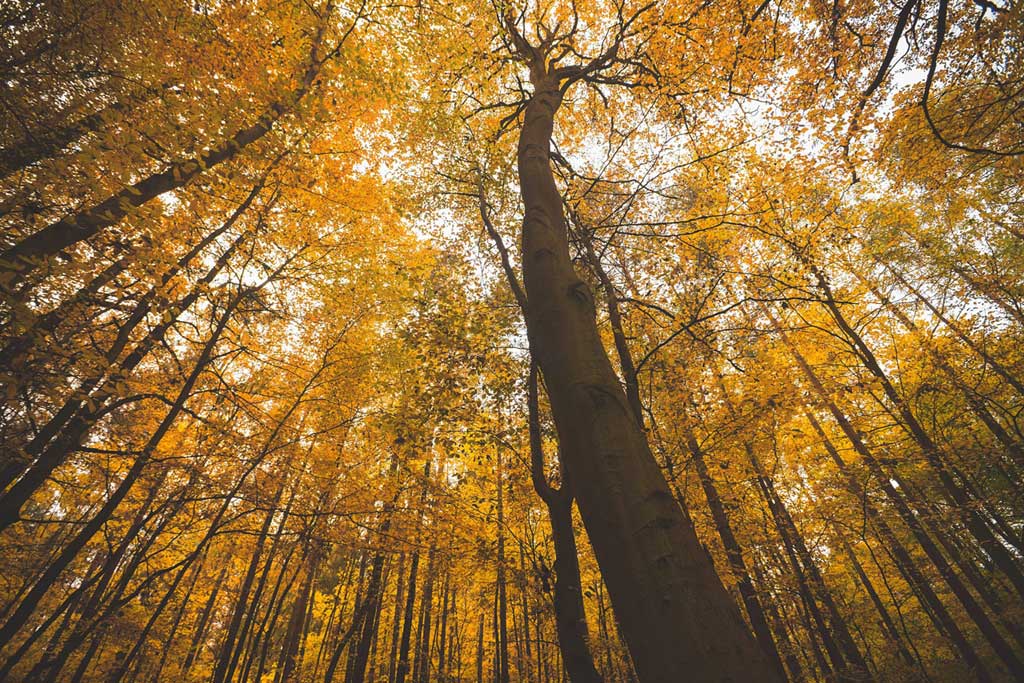
1. Trees

Trees are perfect examples of fractals in nature. You will find fractals at every level of the forest ecosystem from seeds and pinecones, to branches and leaves, and to the self-similar replication of trees, ferns, and plants throughout the ecosystem.

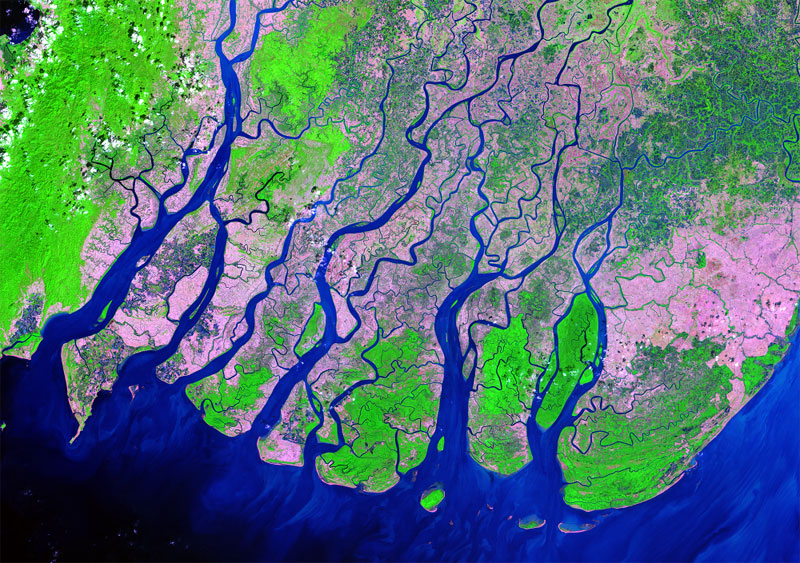
2. River Deltas

This aerial footage from NASA of the Ayeyarwady River Delta (also referred to as Irrawaddy) in Myanmar is a great example of the fractal branching patterns of river delta ecosystems.

Ayeyarwady River Delta

3. Growth Spirals

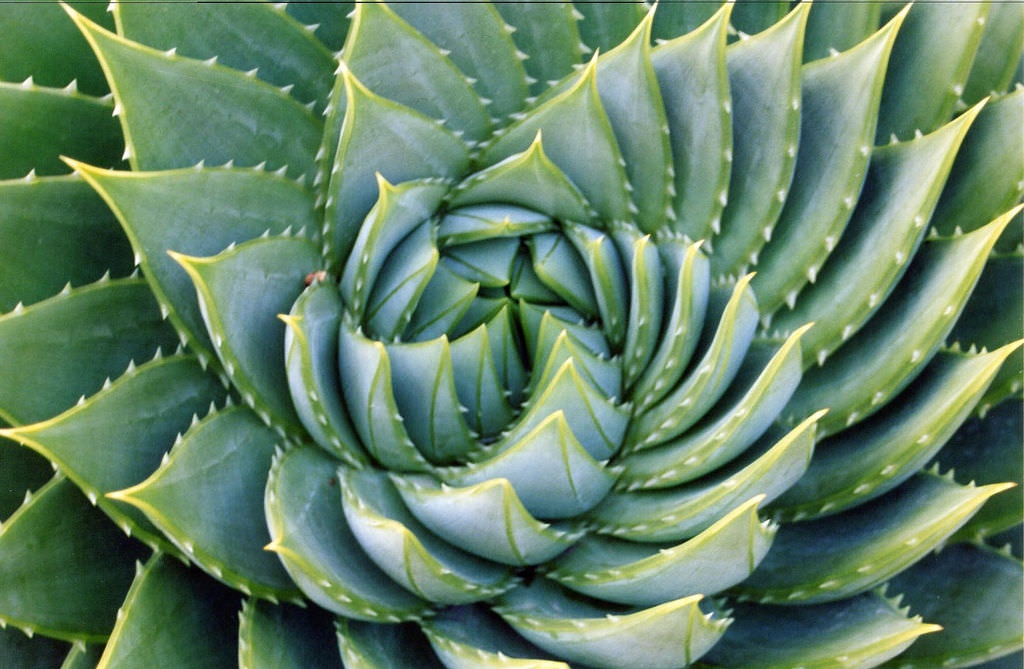
You will also find fractal patterns in growth spirals, which follow a Fibonacci Sequence (also referred to as the Golden Spiral) and can be seen as a special case of self-similarity.

Plant Growth Spiral

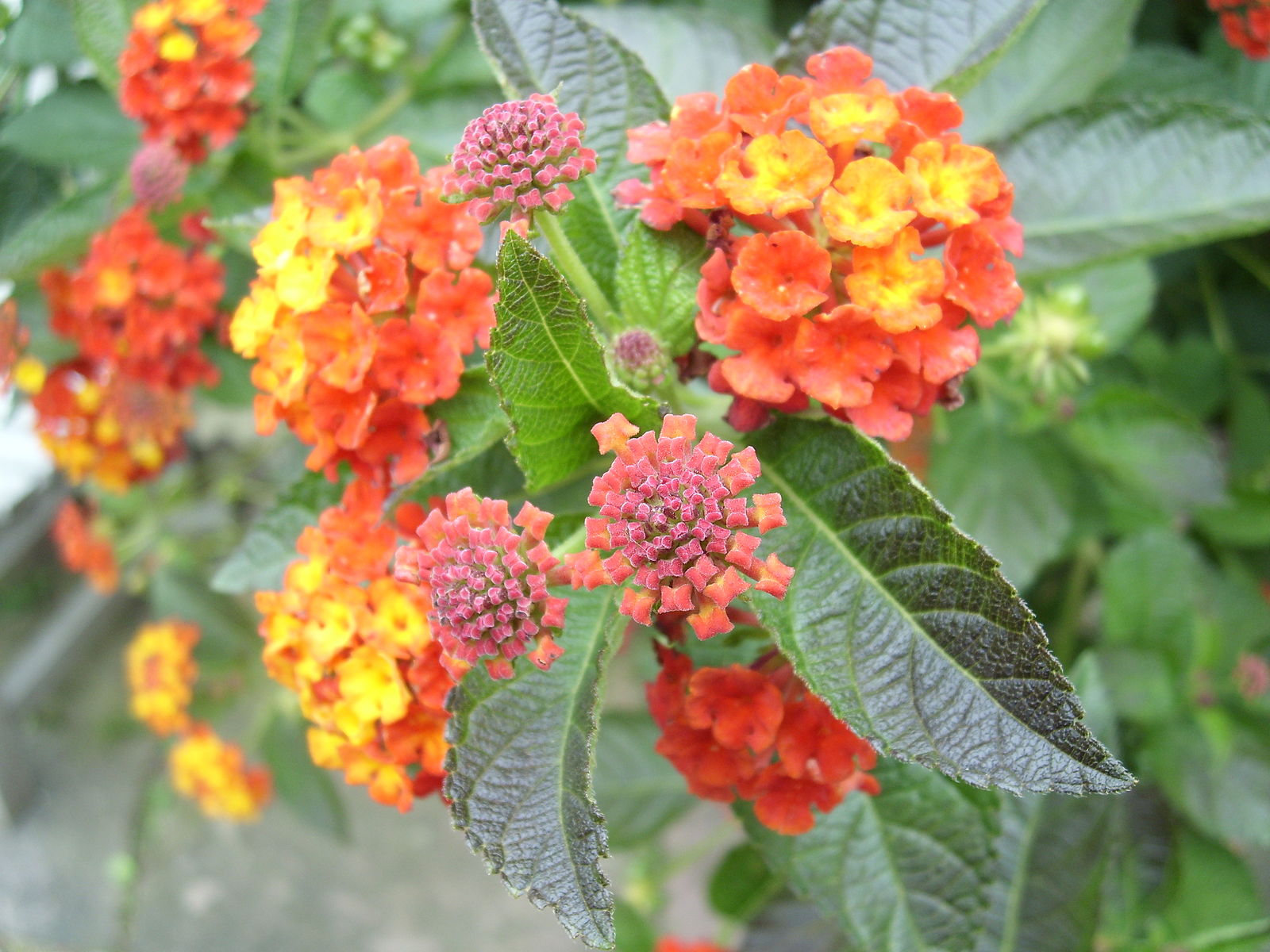
4. Flowers

Observe the self-replicating patterns of how flowers bloom to attract bees. Gardens are amazing places to explore the fractal nature of growth.Fractal Flower Bloom Patterns

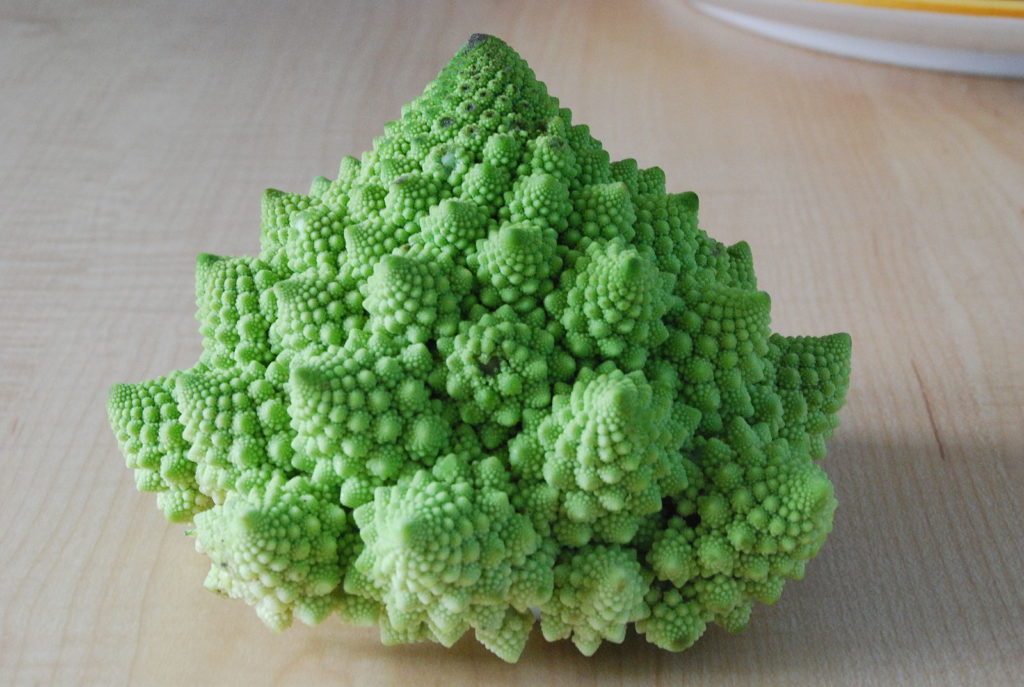
5. Romanesco Broccoli

You won’t find it in the forest, but this edible flower bud of the species Brassica oleracea (broccoli) from Italy is a wholesome and delicious example of fractal geometry.Romanesco Fractal Broccoli

These arrangements have explanations at different levels – mathematics, physics, chemistry, biology. Here’s what Wikipedia has to say about what the sciences have observed about these patterns in nature:

“From the point of view of physics, spirals are lowest-energy configurations which emerge spontaneously through self-organizing processes in dynamic systems. From the point of view of chemistry, a spiral can be generated by a reaction-diffusion process, involving both activation and inhibition. Phyllotaxis is controlled by proteins that manipulate the concentration of the plant hormone auxin, which activates meristem growth, alongside other mechanisms to control the relative angle of buds around the stem. From a biological perspective, arranging leaves as far apart as possible in any given space is favored by natural selection as it maximizes access to resources, especially sunlight for photosynthesis.”

Fractals are hyper-efficient in their construction and this allows plants to maximize their exposure to sunlight and also efficiently transport nutritious throughout their cellular structure. These fractal patterns of growth have a mathematical, as well as physical, beauty.

Fractals, Ecology, and Biomimicry:

So, why are fractals important to ecological awareness? In the ecology book Finding Our Way Home author Myke Johnson notes that our ability to measure fractal patterns in the natural world has also given us:

“The ability to create digital worlds that remind us of our own. Fractal formulas are used to generate computer graphics that look realistically like mountain ranges, and rivers, and forests, and clouds.

Fractals have been used to design antennas in greatly reduced sizes, which enabled the creation of the next generation of cell phones and other electronic communicators. Fractal geometry is enlarging our ability to create new devices that work better because they follow patterns that resonate with the natural patterns around us.”

Isn’t that amazing? Biomimicry in action.

Fractals also inspire awe and wonder, especially when you bring your full attention to exploring and mindfully studying them in natural environments like forests. To expand your understanding of fractals, I highly recommend watching the documentary Fractals: Hunting The Hidden Dimension.

Watching it will help you further develop your pattern recognition skills so you can recognize and understand the fractal patterns all around you.


Read the entire article https://www.diygenius.com/fractals-in-nature/

Tuesday, February 8, 2022

Register TODAY! Space is limited!


Its Springtime! New growth has sprung and the timing is right to immerse your student in nature. To discover, learn and play!


Join us for an 8 hour nature study and journaling lesson - spread out over the course of four 2-hour days. Students will be immersed in a natural environment and led to explore, observe and reflect upon what they’ve discovered. See reverse for details/locations/dates/time.
Materials/light snack provided. Drop off or stay and explore with us!


Cost: $35/class


Limited Spaces Available…Register Today!


Register Here


About the Moderator:


Trish is an LA native, born and raised in Glendale. As a seasoned Real Estate Agent, she knows the ins and outs of the city and its citizens. As a busy mom, she recognizes the value of getting her kids off the screens and out in nature. As a skilled hiker and outdoors person herself, she has a deep connection with the city’s natural environment and has experienced the benefits of being rooted in nature. 

As a student of CAL State LA in the Masters of Science Program, Trish also has experience in the classroom acting as a room mom and on occasion a substitute teacher and tutor for students K-8.


“During this time of potential lockdowns and quarantines, it has never been more important to get your children outdoors whenever possible. So I created this lesson out of a love for seeing my children connect with their natural environment and expressing themselves through art. I hope that you will come on this learning journey with me to explore, discover and learn!”